


Prof. Dr. József Faitli
Municipal waste management: sampling, EPR, landfill surveys, processing technologies, air and multiphase flow, rheology, settling velocity

Prof. Dr. Szabolcs Nagy
Behaviourial analysis, market research, economic evaluation of intellectual and innovative activity of enterprises

Ngandu Cornelius Ngunjiri
green concrete incorporating waste materials, Use of C&D waste in geopolymer and cement concrete

Dr. Emese Sebe
pyrolysis and gasification of refuse derived fuel, thermogravimetric analysis

Dr. Emese Mesterné Kurovics
composite materials, glass-ceramic foams, material testing

Alexandra Hamza
cement foams, red mud in cement foam, material testing

Tamás Kurusta
CO2 sequestration, mechanical activation, mineral processing

Seyedmohammadreza Arefzadeh
Hydrometallurgy, Solvent extraction, Extractive metallurgy

Youssef El Ouardi
Materials science; Metal recovery; Secondary resources; Hydrometallurgy

Dr. Gábor Gyarmati
Al alloys, Al recycling
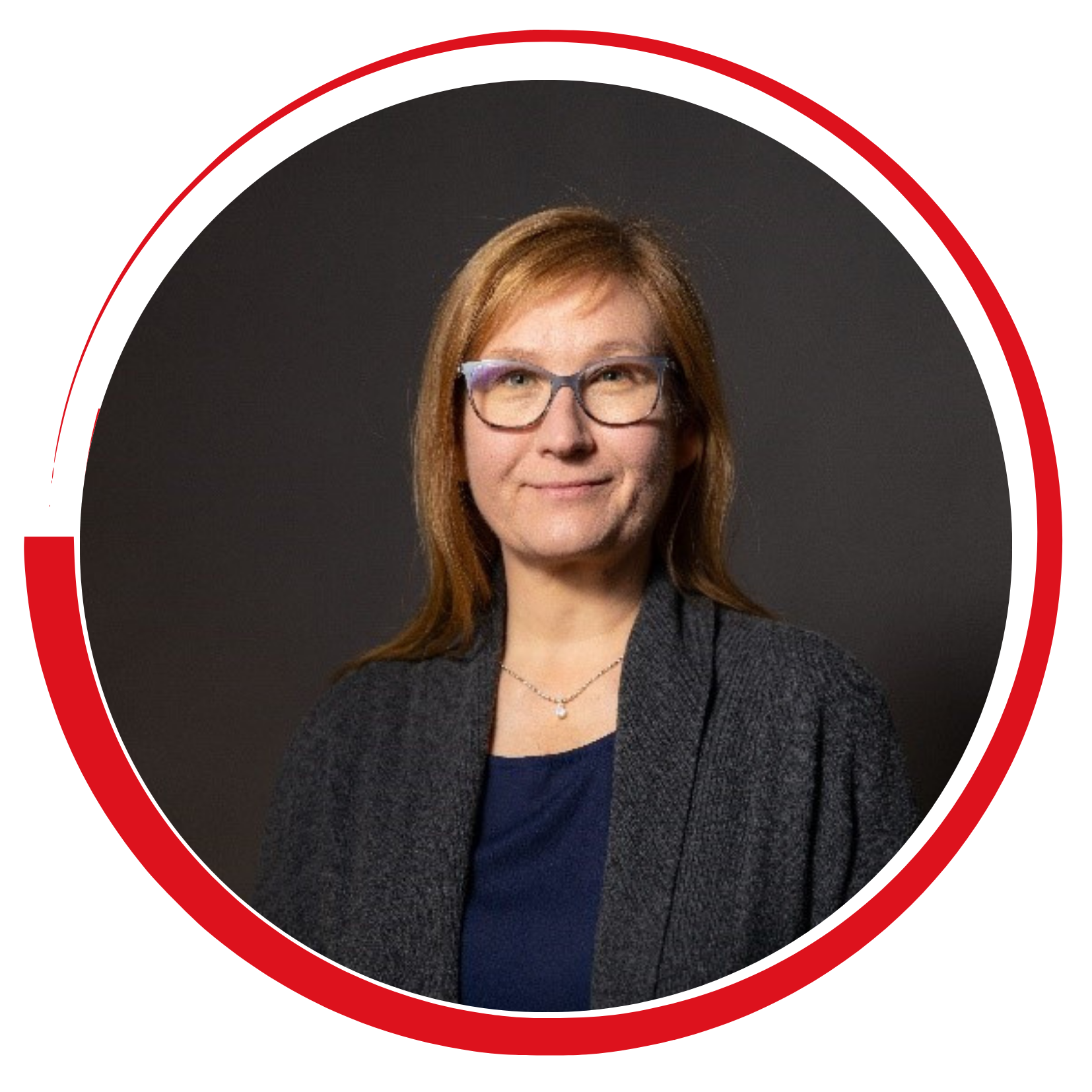
Dr. Miia John
Chemical engneering, circular separation processes, crystallization, water purification

Alisher Kumarov
Chemical engineering; Recycling and coating strategies for Ni-rich lithium-ion battery cathode materials
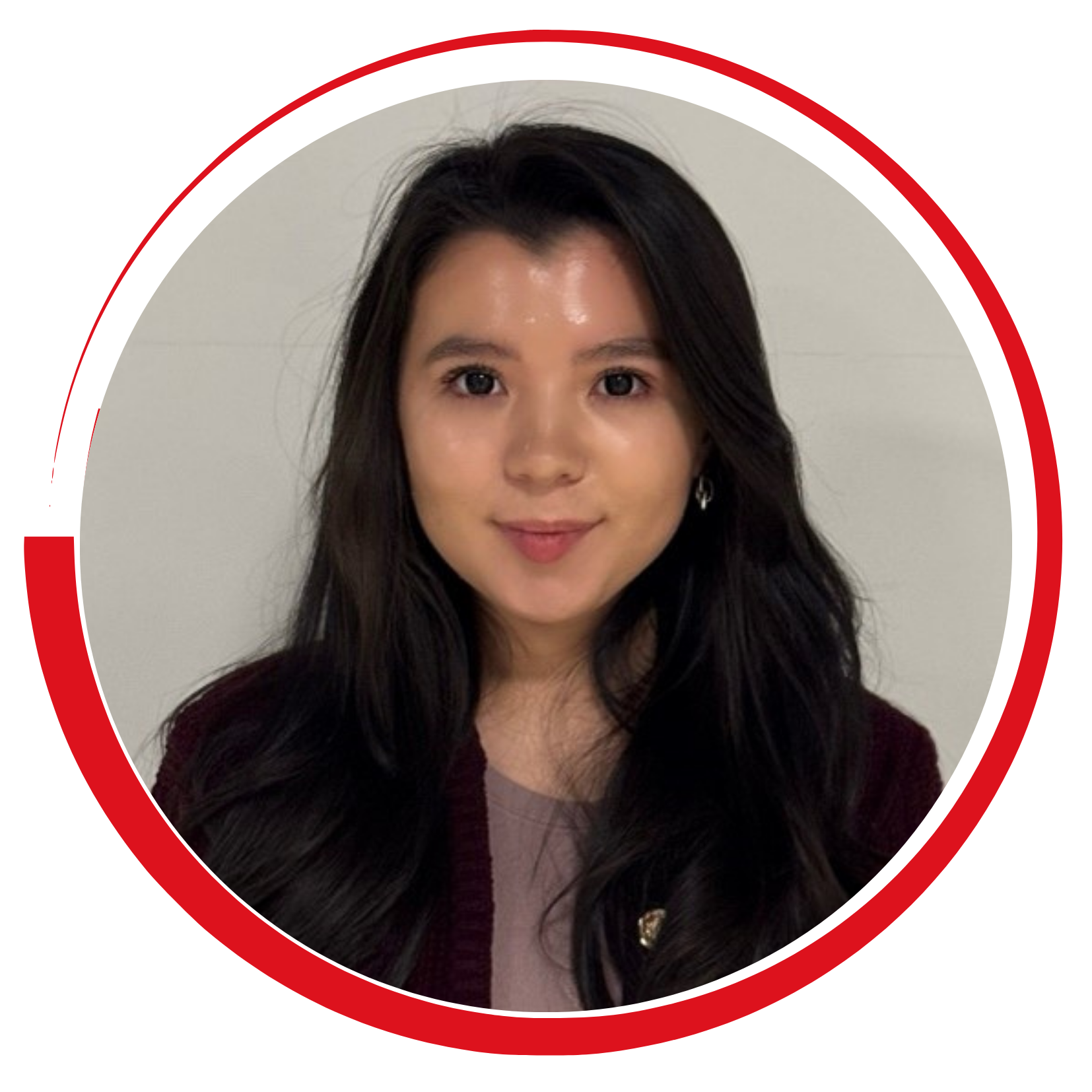
Yerkezhan Yerkinbekova
Materials chemistry; Sustainable recycling of lithium-ion battery materials
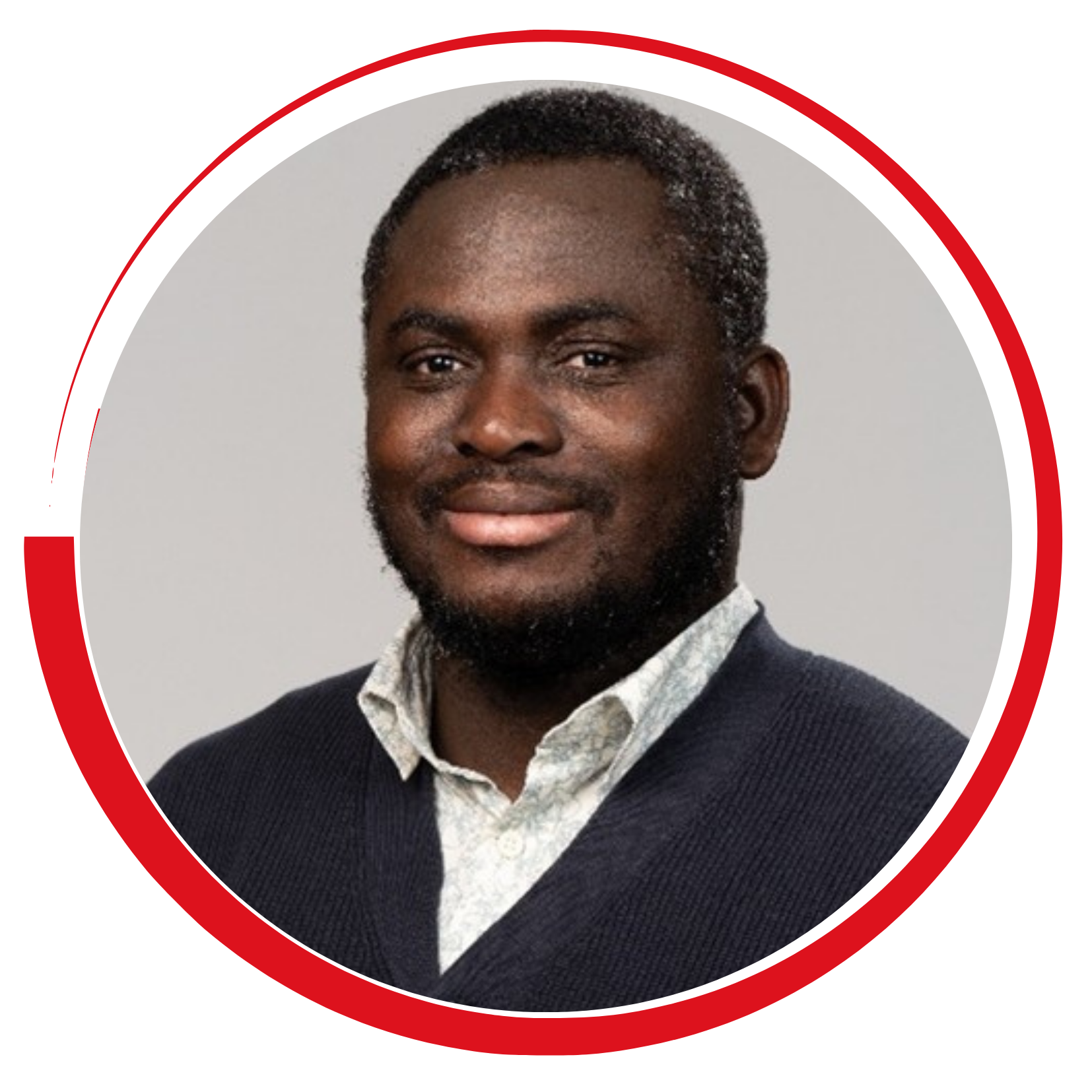
Dr. John Kwame Bediako
Chemical engineering; Hydrometallurgy; Adsorption/ion exhange
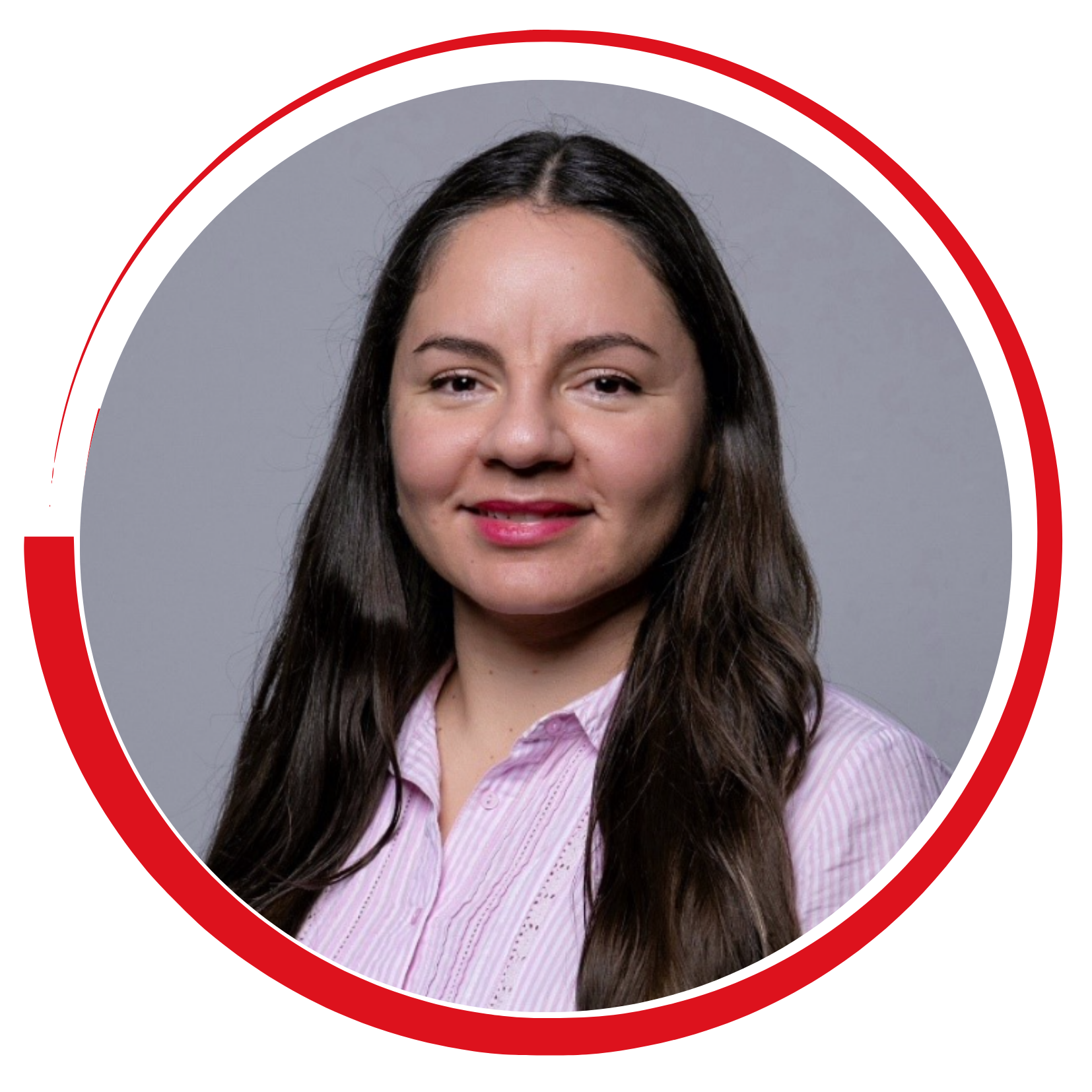
Dr. America Rocio Quinteros Condoretty
Socio-technical and sustainability transitions, circular business models, critical raw materials, circular battery value chains, waste valorization, and the lithium industry
Nazila Bolourieh
Circular Separation Technologies, Stormwater Treatment, Waste-Derived Filtration Media, Resource Recovery, Sustainable Water Purification

Dr. Sándor Nagy
recycling of end of life vehicles, tyres, batteries, WEEE, municipal solid wastes processing, water and wastewater treatment, processing of biomass

Dr. Ákos Cservenák
logistics, mechatronics, Industry 4.0, robotics, automation, simulations, smart systems (vehicles, traffic, drones, waste bins)

Maen Adel Mohammed Alwahsh
mechanical activation of glass waste from monocrystalline solar panels for enhanced cementitious applications

Izabella Rebeka Márkus
grindability, secondary raw materials, electronic wastes with a focus on OLED screens

Annamária Polyákné Kovács
investigation and applicability of PEEK in the automotive industry

Dr. Máté Petrik
heat exchanger structures, heat transfer processes, pressure vessel systems

Prof. Dr. Gábor L. Szepesi
unit operation, modelling, CFD, gas explosion, BLEVE

Ildikó Fóris
glass waste recycling, glass foams

Dr. Katalin Bohács
wet stirred media milling

Dr. Zsófia Forgács
industrial automation
Dr. Miia John
Chemical engneering, circular separation processes, crystallization, water purification
Alisher Kumarov
Chemical engineering; Recycling and coating strategies for Ni-rich lithium-ion battery cathode materials
Yerkezhan Yerkinbekova
Materials chemistry; Sustainable recycling of lithium-ion battery materials
Dr. John Kwame Bediako
Chemical engineering; Hydrometallurgy; Adsorption/ion exhange
Dr. Georgy Givirovskiy
Materials chemistry; Functional nanomaterials and composites; Green synthesis; Power2X
Dr. America Rocio Quinteros Condoretty
Socio-technical and sustainability transitions, circular business models, critical raw materials, circular battery value chains, waste valorization, and the lithium industry
Nazila Bolourieh
Circular Separation Technologies, Stormwater Treatment, Waste-Derived Filtration Media, Resource Recovery, Sustainable Water Purification

Dr. Tekla Szép
energy transition, households, energy prices, solar PV, energy citizenship

Dr. Beáta Siskáné Szilasi
mobilty, social inequalities, social sustainability, just transition

Dr. István Szunyog
energy storage, hydrogen storage, CO2 storage, hydrogen production, hydrogen in natural gas systems, cost analysis, renewable gases

Dr. Katalin Lipták
green labour market, regional differences, energy poverty, circular economy, sustainable labour market

Dr. László Molnár
environmental sustainability & quality in product improvement

Dr. Helga Kovács
biomass combustion, alternative energy sources, waste to energy, secondary RM from energy production systems, environmental pollution, climate change, hazardous and valuable metals in energy production systems

Dr. Mohammad Jaber
energy poverty, fuel poverty, climate change, econometric analysis, energy policies, climate change policies, energy transition, energy inequality, spatial & path analysis

Dr. Csilla Margit Csiszár
Business intelligence, business database management, consumer protection, data asset management, data security, digitalisation, digital transformation, GDPR, information technology

Dr. Marianna Vadászi
underground hydrogen storage, hydrogen trading system, hydrogen blending into natural gas pipelines, levelized cost of hydrogen, hydrogen storage, green hydrogen production

Dr. Ágnes Horváth
corporate energy management and decarbonisation, EU-ETS, energy intensive industries, district heating, energy market challenges, coal phase-out, strategies for energy sector, profitability

Adrienn Takácsné Papp
energy transition, energy management, energy policy, decarbonisation, Sustainable Energy and Climate Action Plans, coal phase-out, just transition

Dr. Minttu Laukkanen
Research background keywords: circular business models, sustainable supply chain management, sustainable value creation, sustainability transition
Dr. Mohammadali Norouzi
Research background keywords: energy transition, carbon tax, multi-market optimization, renewable energies, energy management

Gómez Soto Franklin Vinicio
hydraulic fracturing, geothermal energy

Prof. Dr. Gabriella Vadászné Bognár
tribology, fluid flow, Newtonian fluids, non-Newtonian fluids, surface pattern models, nanofluids, viscosity models

Prof. Dr. Tamás Bányai
logistics, optimisation, in-plant supply, supply chain design, vehicle routing, Industry 4.0, just-in-sequence supply, sustainability of logistics processes, energy efficiency in logistics

Dr. Csaba Felhő
metal cutting & simulation, surface roughness measurement, CAM, machining, Finite Element Simulation of Metal Cutting, cutting force measurement, additive & advanced manufacturing, precision machining technology

Prof. Dr. György Czél
biopolymers, biocomposites, heat conductive polymers, new recycling technology, materials testing, smart materials

Eszter Borsodi
design methodology, conceptual design, product planning, design process, generative design, AI-in-design, 3D printing, circular design, sustainable materials & design
Dr. Csilla Margit Csiszár
Business intelligence, business database management, consumer protection, data asset management, data security, digitalisation, digital transformation, GDPR, information technology

Dr. Péter Veres
SCM, Warehouse Planning, Inventory Management, Logistics 4.0, Route Planning, AI Logistics, Sustainable Transport, Logistics Optimization, Metaheuristic Methods

László Erdei
manufacturing, digital twin, digital shadow, production planning, FTS, logistics, material flow, maintenance, QM, transportation.

Dr. György Hegedűs
CAD design, numerical methods, tool profile, grinding, Siemens NX, Matlab, Maple, generative design, reverse engineering, rapid prototyping
Dr. Ákos Cservenák
logistics, mechatronics, Industry 4.0, robotics, automation, simulations, smart systems (vehicles, traffic, drones, waste bins)

Dr. László Rónai
industrial robot, robot programming, robotics, mechatronics, force feedback, sensor, microcontroller, PLC programming

Dr. István Sztankovics
assembly, cutting force, cutting procedures, efficiency, FEM, high feed milling, machining, production planning, rotational turning, surface roughness

Dr. Klára Szűcsné Markovics
sustainable facility management, capital budgeting, investment decisions, corporate resource management, energy efficiency, cost accounting, KPIs, social innovation

József Lénárt
industrial robot, robotics, mechatronics, sensor, microcontroller, PLC programming, data acquisition, embedded computing, FPGA

Dr. János Juhász
supply chain, SCM, logistics, just-in-sequence, just-in-time, scheduling, supply models, manufacture, service, efficiency

Dr. Ferenc Sarka
3D technologies, additive manufacturing, reverse engineering, FEM simulations of additive manufactured parts, waste reduce of additive manufacturing

Dr. János Ferenc Szabó
optimization of machine elements, FEM, trend analysis and forecasting of phenomena described by sigmoid curves

Géza Németh
epicyclic traction drive, helical torsion spring, principle of self-help, reparability, design for disassembly, elongation of life rating

Henriett Matyi
logistics, digitalization, sustainable packaging, Industry 4.0, decision support system, supply chain, simulation, packaging system

Dr. Ágnes Judit Takács
design methodology, conceptual design, design thinking, product planning, design-develop-invent, design process, elements of design
Dr. Georgy Givirovskiy
Materials chemistry; Functional nanomaterials and composites; Green synthesis; Power2X

Dr. Katalin Voith
sustainability, sustainable energy, air pollution, glass waste recycling

Winnie Atieno Onyango
polymer hybrid biocomposites

Sajid Nazir
Supply Chain Resilience, Circular Economy, Digitalization
Judit Albert
sustainable design
Dr. Minttu Laukkanen
Research background keywords: circular business models, sustainable supply chain management, sustainable value creation, sustainability transition
Dr. America Rocio Quinteros Condoretty
Socio-technical and sustainability transitions, circular business models, critical raw materials, circular battery value chains, waste valorization, and the lithium industry